You finished 12th. Everyone around you says the same thing: pick a degree, then figure it out. But nobody tells you this part.
When a design studio hires, it opens your portfolio before it asks about your marks. If you notice how a stage is lit, how a mandap is framed or why one table looks better than another, an event design course after 12th is a real option worth understanding.
This guide gives you honest answers, not a sales pitch. You will see what event design actually is, who can join straight after school, what you learn in four months, how it compares with a degree, what jobs and pay look like for freshers, and what parents usually want to know. Real alumni stories and verified numbers only.
Table of Contents
What Is Event Design, and Can You Start After 12th in India?
Event design is the visual and spatial side of an event. An event designer decides how a space looks and feels. That means the concept and theme, the colour palette, the stage and backdrop, the floral and fabric work, the table styling, the lighting mood and the layout guests walk through. Then the designer turns all of that into drawings and 3D views that a production team can build.
It is a skilled, practical job. You are not just picking pretty things. You are deciding what can actually be built, in what material, within what budget, and how it will look at 8 pm under lights with 500 guests in the room.
IIED COURSE
Short Term Event Design Course
Built for school-leavers: 10+2 in any stream is enough to start, and you finish with a professional portfolio.
Duration: 4 months
Event design vs event management: not the same job
Many school-leavers search for “event management after 12th” because that is the only term they have heard. But the two jobs are different. Event management is about planning and coordination: timelines, vendors, guest lists, logistics and making sure the day runs on time. Event design is about the concept and the visuals: what the event looks like and how it is produced.
Both are real careers. They just need different skills. A manager is strong at organising people. A designer is strong at seeing a space, sketching it, presenting it and solving how it gets built. If you want the full breakdown, read our guide on event design vs event management and which one actually gets you hired.
Short term event design course eligibility: who can join
Here is the direct answer. Yes, you can start an event design course after 12th. IIED’s Short Term Event Design Course is open to two groups of students:
- Students currently in 12th grade or appearing for a 10+2 level exam (CBSE, HSC, ISC, IGCSE A levels, IBDP and similar boards), and students who have just passed out.
- Students pursuing the equivalent of 10+2 in any discipline, whether Science, Commerce or Arts, with an interest in design.
You do not need prior design training, drawing skills or software knowledge. The course starts from the foundations and builds up.
Which stream do you need in 12th?
Any stream works. Science students often take quickly to the technical side: scale drawings, trussing and how structures stand. Commerce students tend to get vendor management and budgeting fast. Arts students usually feel at home with colour, composition and styling. Nobody starts with every skill. The course is built so each student fills their own gaps.
Two honest routes after 12th
Route 1: Start the course right after 12th. You spend four months building real skills and a portfolio, then decide your next step with something concrete in hand. Some students go straight to work. Others start a degree with a skill they can already earn from.
Route 2: Do it alongside your degree. You start your graduation as planned and build the design skill on the side. This is not a “skip your degree” message. It is a “start building something real now” message. Saanchi Rajwani’s story, which you will read below, shows how well this route can work.
What You Learn in an Event Design Course After 12th
A good course should answer one question: by the end, can you design an event that a team can actually build? IIED’s course runs for four months across four units, and every unit feeds into your final portfolio. Here is what each one covers, taken from the live course outline.
| Unit | What it covers |
|---|---|
| Unit 1: Design foundation | Elements and principles of design, and colour theory |
| Unit 2: Production of event design | Materials and fabrication, trussing, lighting and sound, vendor management and budgeting |
| Unit 3: Presentation methods | Sketching, graphic design basics and production design |
| Unit 4: Final design project | Self-directed design projects based on real-world briefs, and your professional portfolio |
Unit 1: Design foundation
You learn why design matters in events and how the design process works, from research to final concept. You study the core elements of design (line, shape, form, texture and space) and the principles that make a space work (balance, contrast, emphasis, movement and unity). You also learn colour theory: how colour creates mood and meaning. This is the base everything else stands on.
Unit 2: Production of event design
This is where design meets reality. You explore materials and fabrication methods, and the technical basics of trussing, lighting and sound. Interactive workshops cover fabrics, furnishings and floral design. You also learn vendor management and budgeting: how to choose the right vendors and how to price your own services. Many beginners skip this part when they teach themselves, and it is exactly what studios check for.
Unit 3: Presentation methods
A great idea that you cannot explain does not win over a client. So you practise sketching to share ideas quickly, graphic design basics (branding, typography and layout) to build clean presentations, and production design: accurate scale drawings, layouts and construction documents. Practical sessions cover sketching, graphic design and layouts with software.
Unit 4: Final design project and your portfolio
The course ends with self-directed design projects based on real-world briefs. You research, develop full design proposals and refine them with faculty guidance and peer feedback. The result is a professional portfolio that shows both your creative and technical ability. Assessment is based on your portfolio, a group practical and a presentation, so you leave having already pitched your work once.
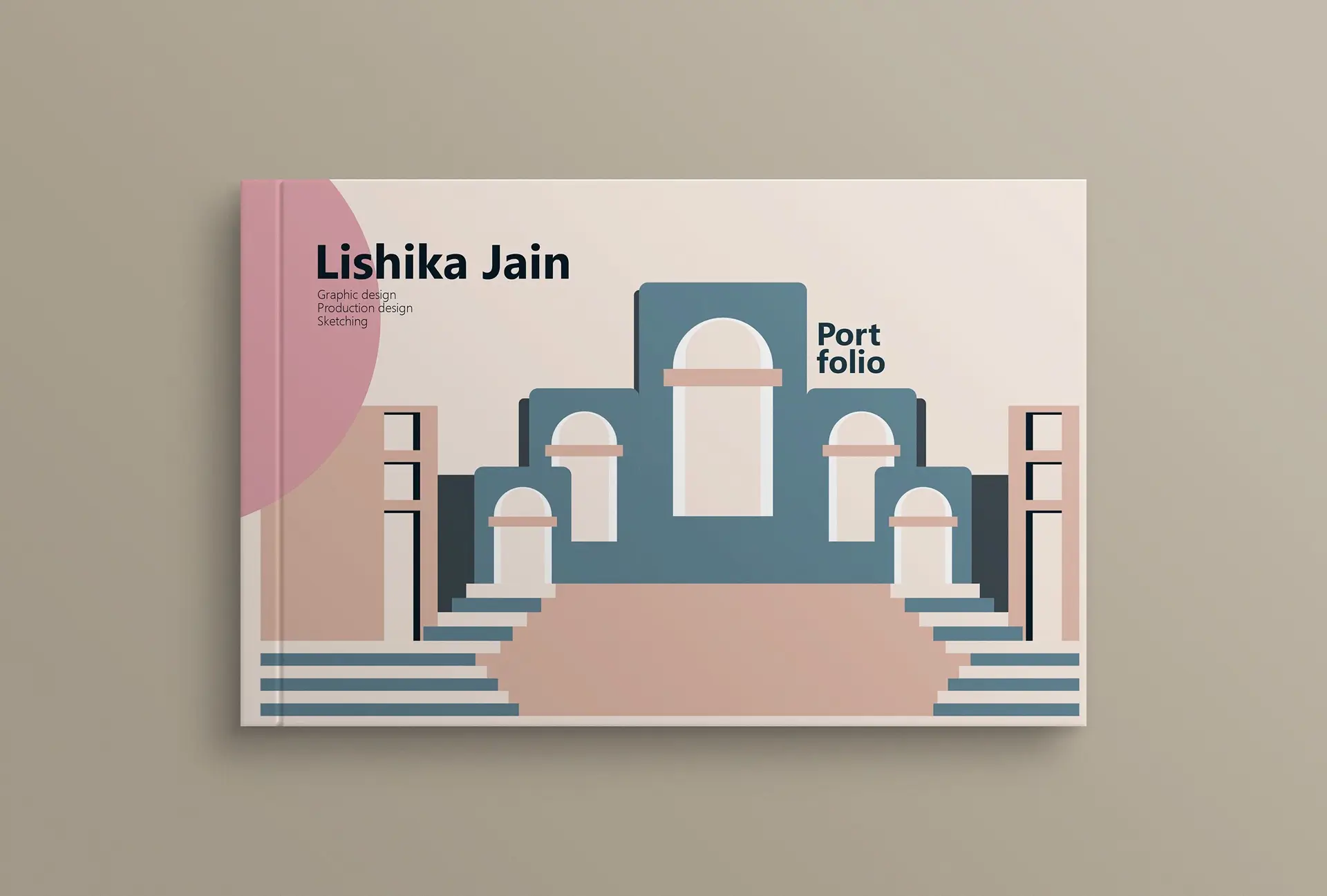
Why does the portfolio matter so much? Because for design roles it is your proof. Our guide to building an event design portfolio with no experience explains what hiring teams look for, project by project.
Is this also a wedding designer course after 12th?
Yes, in practice. Weddings are one of the biggest uses of event design in India, and the course teaches the same skills a wedding designer uses every day: theme, colour, floral and fabric work, mandap and stage design, layouts and client presentations. If you already know weddings are your focus, IIED also runs a dedicated Short Term Wedding Design Course. Either way, the eligibility is the same 10+2.
Degree vs Hands-On Course: An Honest Comparison
Let us be fair to degrees. A three or four year degree gives you broad learning, time to grow up, a recognised qualification and a network. For many careers, it is the right call. The question is not “degree or course”. It is “what does each one give you, and do you need the design skill now or later?”
| What you are comparing | Degree in event management or similar | Hands-on event design course |
|---|---|---|
| Time | 3 to 4 years | 4 months |
| Main focus | Broad business, planning and coordination subjects | Design: concept, colour, layouts, production and presentation |
| Eligibility | 10+2 | 10+2, any stream |
| What you walk away with | A qualification and general knowledge of the industry | A professional design portfolio and practical skills |
| What a design studio sees | Your marks and degree; they still ask to see your work | Your portfolio: drawings, 3D views and finished projects |
| Best for | Students who want a broad base before choosing a field | Students who already know they want to design events |
Can you be an event designer without a degree?
Design hiring leans heavily on what you can show. That is the honest reason a portfolio matters more than a certificate in this field. Data from outside India points the same way. The U.S. Bureau of Labor Statistics notes that meeting, convention and event planners typically need a bachelor’s degree, while the hands-on, design-side roles it lists alongside them, such as floral designers, typically start with a high school diploma. Planning roles and design roles are hired differently.
That does not mean degrees are a waste. It means that if you want to design, you need design skills and a portfolio, whatever else you study. Many IIED students do both, either one after the other or side by side.
Who should take the degree route first
If you are unsure whether you even like design, or you want a broad base in business or the arts before you specialise, a degree first makes sense. You can always add a short design course later. Shreya Pais did exactly that. She joined IIED as a fresh graduate with zero experience, and her portfolio landed her a job straight after the course.
Who should take the course route first
If you already sketch layouts in your notebook, redo the decor in your head at every family function, or keep saving stage designs on Instagram, start now. Four months is a short time to find out if this is your career. And if it is, you will start your degree, or your first job, already ahead. Our post on how to become a job-ready event designer in 4 months walks through that timeline in detail.
Career in Event Design After 12th: Jobs, Pay and Real Alumni
“Is there a real job in this?” is the most common question we hear, from students and parents alike. Here is the honest answer, with roles and numbers you can check.
Jobs that open up
The course prepares you for roles such as:
- Event designer and wedding designer
- 2D visualiser and 3D visualiser
- Production planner
- Graphic designer for events
- Exhibit designer
- Creative designer
- Draftsman
- Art director and set designer
These roles exist at event agencies, wedding design companies, production houses and exhibition firms. IIED’s recruiter list includes names such as Wizcraft, Taxi Design, Gurleen M Puri, The Finale Eventz and Inextis Events. Some alumni also go on to freelance or start their own studios.
What freshers actually earn
Here are verified placement figures for IIED’s Wedding, Event & Set Design students with 0 to 1 year of experience, from the Event & Wedding Design Visualization programme:
- Average CTC: ₹4.68 LPA
- Median CTC: ₹4.80 LPA
- Highest CTC: ₹6 LPA
Some real offers behind those numbers: Manisha Mahto joined Inextis Events as a Junior Graphic Designer at ₹30,000 a month. Varun Jain joined The Finale Eventz as a Design Associate at ₹45,000 a month during probation, rising to ₹50,000 once confirmed. These are entry-level salaries from real offer letters, not promises. Your pay will depend on your portfolio, your city and how you grow.
Real stories from students who started early
Saanchi Rajwani: earning before she graduated. Saanchi was a second-year graduation student when she joined the course. While still studying, she landed a paid event design internship at Robust Events with a ₹30,000 monthly stipend, before she had even finished her degree. She is the clearest proof that you do not have to wait for graduation to start your design career.
Shreya Pais: from zero experience to Dubai. Shreya joined as a fresh graduate with no experience at all. “By the time I finished the course, my work spoke for itself. I had a portfolio so impressive that it landed me a job instantly,” she says. Today she works in Dubai.
Pranay Mhatre: hired by Wizcraft. After completing Event & Wedding Design Visualization, Pranay joined WIZCRAFT, one of India’s oldest event companies, as a Production Designer. For parents wondering if this field leads to serious employers, his story is a good place to start.
Nirali Reshamiya: studied part-time, moved up. Nirali was already working with a wedding decorator. She studied in a part-time evening format, two hours a day, without leaving her job. “This training was a complete game-changer. I moved instantly into a much higher position at Gurleen M Puri,” she says. She is now a Wedding Visualization Designer there.
Bhavya: online from Jodhpur, hired in Mumbai. Bhavya took the course online from Jodhpur and built a portfolio that caught the eye of Taxi Design, leading to a job offer in Mumbai. Where you live does not have to decide where you work.
What Parents Ask, and How to Decide If It Is Right for You
Parents worry for good reasons. They want their child in a career that is stable, respected and pays. If you are a parent reading this, here are straight answers to the questions we hear most during campus visits.
“Is there really a job in this?”
Yes. Events and weddings are a large, working industry in India. The Indian wedding industry alone is estimated at ₹3.75 lakh crore and growing. Every one of those weddings needs people who can design spaces, draw layouts and produce visuals. The alumni stories above are real hires at real companies, with offer letters behind the numbers.
“Is it stable?”
Design skills travel well. A student who can sketch, draw scale layouts, build 3D views and present to a client can work at an event agency, a wedding design company, a production house or an exhibition firm, and can freelance alongside. That spread of options is what makes a skill stable. Like any career, growth depends on effort. Students who keep building their portfolio keep moving up.
“Should my child skip a degree?”
Not necessarily, and we do not advise it as a rule. The course works well right after 12th, before a degree, or alongside one. Saanchi did it during her second year. The point is to build a real, earning skill early, not to drop other plans. Many families choose the part-time route for exactly this reason.
“Can we visit and see the work first?”
Please do. Parents are welcome on every campus visit. You can see student portfolios, sit with a mentor and ask anything about the course, the schedule and the career path. You can also browse real student work any time on our portfolio page.
Three honest self-checks before you join
Before you decide, ask yourself these three questions. Be honest.
- Do you notice layouts, colour and light? At a wedding or a show, do you look at how the space is put together, not just at the people? That instinct is the starting point of every designer.
- Do you like making things? Sketching, arranging, styling a room, editing a photo until it looks right. Design is hands-on work. If you enjoy building something until it is correct, you will enjoy this.
- Are you ready to build a portfolio? Four months goes fast. Students who get hired are the ones who put real effort into every project, take feedback and redo work until it is strong. If that sounds like you, you are ready.
If you answered yes to two or three, an event design course after 12th is worth a serious look. If you are unsure, a visit will help you decide faster than any article can.
Frequently Asked Questions
Can I do an event design course after 12th?
Yes. IIED’s Short Term Event Design Course accepts students who are in 12th, appearing for a 10+2 exam, or have just passed out, from any board. You need no prior design or software background. The course runs for four months and ends with a professional portfolio you can show employers or use while you study further.
Do I need a degree to become an event designer in India?
No, a degree is not required to start in event design. Design studios hire mainly on your portfolio and skills. Our alumni include a second-year graduation student who landed a paid design internship before finishing her degree. A degree can still add value later, so many students do both, one after the other or side by side.
What is the difference between an event design course and an event management degree?
An event management degree focuses on planning and coordination: logistics, vendors, budgets and running the day, usually over three to four years. An event design course focuses on concept and visuals: colour, layouts, styling, production drawings and presentation. It takes four months and ends with a design portfolio. They lead to different roles.
Which stream do I need in 12th for event design: arts, commerce or science?
Any stream is fine. The course is open to students from Science, Commerce and Arts, with an interest in design. Each stream helps in its own way: science with technical drawings, commerce with budgeting and vendors, arts with colour and styling. The course teaches the rest from the foundations.
How long is a short-term event design course?
IIED’s Short Term Event Design Course runs for four months. It covers four units: design foundation, production of event design, presentation methods and a final design project, plus your portfolio. It is available as a classroom course in Mumbai and as an online course with live sessions and recordings.
What jobs can I get after an event design course?
Graduates work as event designers, wedding designers, 2D and 3D visualisers, production planners, graphic designers, exhibit designers, creative designers, draftsmen, art directors and set designers. For IIED’s Wedding, Event & Set Design students with 0 to 1 year of experience, the average CTC is ₹4.68 LPA and the highest is ₹6 LPA.
Can I study event design while doing my degree?
Yes. Many students do. Nirali Reshamiya studied in a part-time evening format, two hours a day, while working, and moved into a Wedding Visualization Designer role. Saanchi Rajwani did the course during her second year of graduation and earned a ₹30,000 monthly internship stipend before finishing her degree.
Do I need drawing or software skills before joining?
No. You do not need any drawing or software skills before joining. The course teaches sketching, graphic design and layouts with software from the basics, through regular practical sessions. What helps most is an eye for detail and a willingness to practise. Your skills grow project by project, and your portfolio shows that growth.
Ready to Start Your Event Design Career?
Your next step. You do not have to choose your whole life after 12th. You just have to choose your next real step. If event design pulls at you, take four months to build a skill and a portfolio that a studio can actually review. Start before or alongside your degree. Either way, you will know much sooner whether this is your career.
Book your free visit to IIED in Malad East, Mumbai, and bring your parents. See real student portfolios, meet a mentor and get your questions answered in person.
Book your free visit — call 9892966334 or email info@weareiied.com. IIED, Shop No. 506, 5th Floor, Magic Square, Dwarkadhish Road, off Poddar Road, Malad East, Mumbai 400097.
IIED COURSE
Online Short Term Event Design Course
Not in Mumbai? Learn the same four units online and still finish with a portfolio studios can review.
Duration: 4 months · Mode: Online (live sessions + recorded lectures)